Description
General information:
Administer with or without meals.
Missed dose: if a dose is missed, do not take a double dose to make up for a forgotten dose. Just carry on with the next dose at the usual time.


Drug class:
Antidepressants
Indications and Dosage:
Adults:
Major depression
25 mg daily, dose to be taken at bedtime, dose to be increased if necessary after 2 weeks, increased if necessary to 50 mg daily, dose to be taken at bedtime.
Contraindications:
Hypersensitivity to the active substance or to any of the excipients.
Hepatic impairment (i.e. cirrhosis or active liver disease) or transaminases exceeding 3 X upper limit of normal.
Concomitant use of potent CYP1A2 inhibitors (e.g. fluvoxamine, ciprofloxacin)
Pregnancy & Lactation:
avoid the use of Agomelatine during pregnancy and breast-feeding.
Warnings/Precautions:
Alcoholism. bipolar disorder. diabetes. Elderly with dementia (safety and efficacy not established). excessive alcohol consumption. hypomania. mania. nonalcoholic fatty liver disease. obesity. patients 75 years of age or older (safety and efficacy not established). Renal impairment (Caution in moderate to severe impairment).
Test liver function before treatment and after 3, 6, 12 and 24 weeks of treatment,
and then regularly thereafter when clinically indicated (restart monitoring schedule if dose increased); discontinue if serum transaminases exceed 3 times the upper limit of reference range or symptoms of liver disorder. Hepatotoxicity Patients should be told how to recognize signs of liver disorder, and advised to seek immediate medical attention if symptoms such as dark urine, light coloured stools, jaundice, bruising, fatigue, abdominal pain, or pruritus develop.
Agomelatine is not recommended in the treatment of depression in patients under 18 years of age since safety and efficacy of Agomelatine have not been established in this age group.
Dose adjustment might be necessary if smoking started or stopped during treatment.
Caution with concomitant use of drugs associated with hepatic injury.
Considering that dizziness and somnolence are common adverse reactions, patients should be cautioned about their ability to drive or operate machines.
Caution should be exercised when prescribing Agomelatine with moderate CYP1A2 inhibitors (e.g. propranolol, enoxacin) which may result in increased exposure of agomelatine.
Drug Interactions:
Ciprofloxacin, fluvoxamine, fosphenytoin, phenytoin, Combined hormonal contraceptives, ritonavir, Leflunomide, Mexiletine, rifampicin, Teriflunomide, Vemurafenib
Adverse reactions:
Abdominal pain. anxiety. Back pain. constipation. diarrhoea. dizziness. drowsiness. fatigue. headaches. nausea. sleep disorders. vomiting.
weight changes,Aggression, confusion. hyperhidrosis. Mood altered. movement disorders. paraesthesia. skin reactions. suicidal behaviours. tinnitus. vision blurred, Angioedema, face oedema. hallucination. hepatic disorders. urinary retention.
The use of antidepressants has been linked with suicidal thoughts and behaviour; children, young adults, and patients with a history of suicidal behaviour are particularly at risk. Where necessary patients should be monitored for suicidal
behaviour, self-harm, or hostility, particularly at the beginning of treatment or if the dose is changed.
Over dosage:
If you accidentally take too many Agomelatine tablets or take a higher dose than recommended by your doctor, it is important that you tell your doctor at once. If you cannot contact your doctor, go to the nearest accident and emergency department.
Packaging
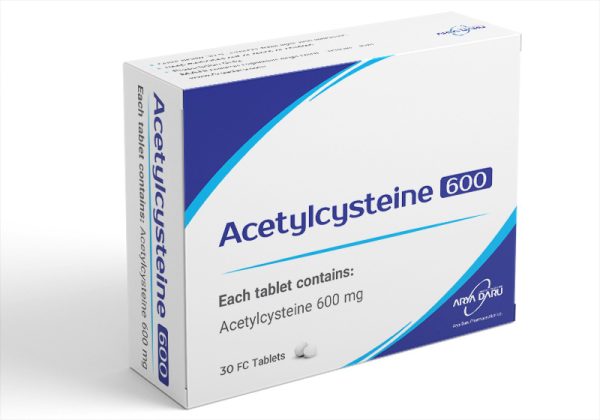
30 Tablets in a box with leaflet
References:
BNF 81 (British National Formulary) March 2021
General information:
Administer with or without meals.
Missed dose: if a dose is missed, do not take a double dose to make up for a forgotten dose. Just carry on with the next dose at the usual time.